Acrylic watercolor paints, a unique and versatile medium in the world of art, have gained significant popularity among artists of all levels. As a supplier of these remarkable paints, I am often asked about their coverage. In this blog, I will delve into the concept of coverage in acrylic watercolor paints, exploring what it means, the factors that influence it, and how it can impact your artistic creations. Acrylic Watercolor Paints

Understanding the Concept of Coverage
Coverage in the context of acrylic watercolor paints refers to the ability of the paint to completely cover the surface it is applied to. It is a measure of how effectively the paint can obscure the underlying layer, whether it’s a blank canvas, a previous layer of paint, or any other surface. Good coverage means that you can achieve a solid, opaque color with fewer coats, while poor coverage may require multiple layers to achieve the desired result.
The coverage of acrylic watercolor paints is different from traditional watercolor paints. Traditional watercolors are known for their transparency, allowing the underlying surface to show through. Acrylic watercolors, on the other hand, can offer a range of coverage from transparent to opaque, depending on how they are used and the specific characteristics of the paint.
Factors Influencing the Coverage of Acrylic Watercolor Paints
Several factors can influence the coverage of acrylic watercolor paints. Understanding these factors can help you make the most of your paints and achieve the desired results in your artwork.
Pigment Concentration
One of the most significant factors affecting coverage is the pigment concentration in the paint. Paints with a higher pigment concentration generally offer better coverage. This is because there are more pigment particles in the paint, which can effectively cover the surface. When choosing acrylic watercolor paints, look for those with a high pigment load. These paints may be more expensive, but they will provide better coverage and a more vibrant color.
Paint Consistency
The consistency of the paint also plays a crucial role in coverage. Thicker paints tend to have better coverage than thinner ones. When you apply a thick layer of paint, it can more easily cover the underlying surface. However, using thick paint can also make it more difficult to blend and create smooth transitions. On the other hand, thinner paints are more transparent and may require multiple layers to achieve full coverage. You can adjust the consistency of the paint by adding water or a medium to the paint.
Application Technique
The way you apply the paint can significantly impact its coverage. Brushing, for example, can provide different coverage compared to spraying or using a palette knife. When brushing, using a flat brush can help you apply a more even layer of paint, which can improve coverage. Spraying the paint can create a more transparent effect, while using a palette knife can allow you to apply a thick, opaque layer of paint. Experiment with different application techniques to find the one that works best for your desired coverage.
Surface Texture
The texture of the surface you are painting on can also affect the coverage of the paint. A smooth surface will generally allow the paint to spread more evenly and provide better coverage. Rough surfaces, on the other hand, may absorb the paint more, making it more difficult to achieve full coverage. Before painting, consider the surface texture and choose the appropriate paint and application technique accordingly.
The Impact of Coverage on Artistic Creations
The coverage of acrylic watercolor paints can have a profound impact on your artistic creations. It can affect the overall look and feel of your artwork, as well as the techniques you can use.
Creating Opaque Effects
If you want to create opaque effects in your artwork, such as solid color blocks or bold outlines, paints with good coverage are essential. You can use these paints to cover the underlying surface completely and create a clean, crisp look. Opaque paints are also useful for correcting mistakes or adding highlights to your artwork.
Achieving Transparent Layers
On the other hand, if you want to create transparent layers or a more subtle effect, paints with lower coverage can be more suitable. You can apply these paints in thin layers to allow the underlying surface or previous layers of paint to show through. This can create a sense of depth and dimension in your artwork.
Blending and Mixing Colors
The coverage of the paint can also affect how you blend and mix colors. Paints with good coverage can be more difficult to blend, as they tend to be more opaque. However, they can also provide a more intense color when mixed. Paints with lower coverage are easier to blend, but the resulting color may be more muted. Experiment with different paints and techniques to find the best way to blend and mix colors for your desired effect.
Tips for Maximizing the Coverage of Acrylic Watercolor Paints
As a supplier of acrylic watercolor paints, I have some tips to help you maximize the coverage of your paints.
Prime Your Surface
Priming your surface before painting can improve the coverage of the paint. A primer creates a smooth, even surface for the paint to adhere to, which can help the paint spread more evenly and provide better coverage. You can use a commercial primer or a homemade mixture of gesso and water.
Use the Right Brush
Choosing the right brush can also make a difference in the coverage of the paint. A flat brush is generally better for applying a thick, even layer of paint, while a round brush is more suitable for detailed work. Make sure your brush is clean and in good condition before using it.
Apply Multiple Layers
If you need to achieve full coverage, don’t be afraid to apply multiple layers of paint. Allow each layer to dry completely before applying the next one. This will help the paint build up and provide better coverage.
Experiment with Different Techniques
As mentioned earlier, different application techniques can affect the coverage of the paint. Experiment with brushing, spraying, and using a palette knife to find the technique that works best for your desired coverage.
Conclusion
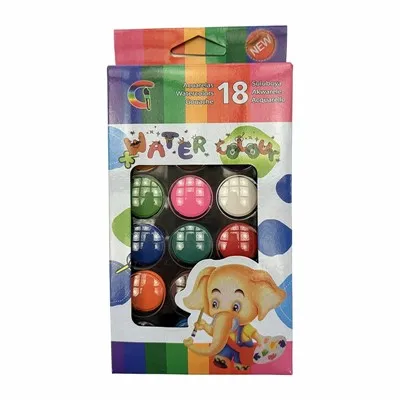
In conclusion, the coverage of acrylic watercolor paints is an important factor to consider when creating artwork. It is influenced by several factors, including pigment concentration, paint consistency, application technique, and surface texture. Understanding these factors and how they affect coverage can help you make the most of your paints and achieve the desired results in your artwork.
DIY Toys As a supplier of high – quality acrylic watercolor paints, I am committed to providing artists with products that offer excellent coverage and a wide range of colors. If you are interested in purchasing our acrylic watercolor paints or have any questions about their coverage or other features, I encourage you to reach out to us for a procurement discussion. We are here to help you find the perfect paints for your artistic needs.
References
- "The Art of Acrylic Painting" by Graham Fletcher
- "Acrylic Watercolor Techniques" by Betty Edwards
- "Painting with Acrylics: A Comprehensive Guide" by Barbara Jaenicke
Zhejiang Lanxi Haotian Stationery Co., Ltd.
We are one of the most reliable acrylic watercolor paints manufacturers and suppliers in China, specialized in providing high quality stationery products with low price. We warmly welcome you to buy bulk acrylic watercolor paints for sale here from our factory. Contact us for pricelist.
Address: No. 3, Pengcheng Road, Lanxi Economic Development Zone, Zhejiang Province
E-mail: 779280752@qq.com
WebSite: https://www.cnhtstationery.com/
