If you’ve ever stood at the edge of a pool, leaned against a balcony railing, or walked along a residential deck, you’ve probably felt a fiberglass handrail or fencing and assumed it’s just another generic outdoor structure. As a third-generation fiberglass handrail and fencing supplier, though, I’ve spent the last 12 years watching customers fixate on upfront costs, then scratch their heads a year or two later when their wooden railings rot, their vinyl fencing warps, and their metal railings rust through. The question I get more than any other is this: Is fiberglass really worth the extra cash upfront? The short answer—after seeing thousands of projects, from a small back deck in Ohio to a commercial marina in Florida—is yes, it’s not just worth it, it’s one of the most cost-effective long-term investments you can make for outdoor structures. Let’s break this down the way I do with every customer who sits at my office table: with hard numbers, real-world examples, and no sales fluff. Fiberglass Handrail and Fencing
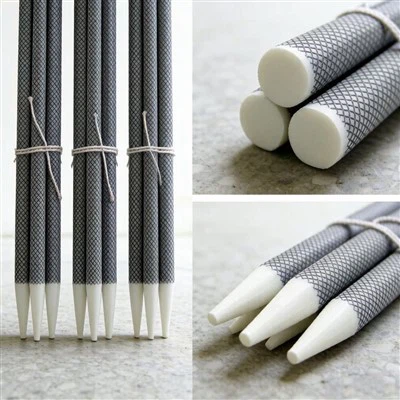
First, let’s get one myth out of the way right now: fiberglass isn’t the same as cheap plastic. I’ve heard that line a hundred times from contractors who used flimsy fiberglass trim for a one-off job. The fiberglass we manufacture for handrails and fencing is pultruded fiberglass, a process that pulls continuous glass fibers through a resin bath, then cures them under heat to create a rigid, non-porous composite. It’s as strong as steel in tension, doesn’t conduct heat or electricity, and doesn’t rot, warp, rust, or crack—traits that directly translate to lower long-term costs, way beyond the initial purchase. To make this concrete, let’s compare fiberglass to three of the most common alternatives: pressure-treated wood, vinyl, and galvanized steel. These are the materials customers default to, and the ones I’ve seen lead to surprise costs that eat into budgets for years.
Pressure-treated wood is the old standby, but it’s full of hidden expenses that many people don’t account for. When you price a 10-foot wooden handrail at the home center, it might be $150, versus a $250 fiberglass one, so you think wood is cheaper. But here’s the catch: pressure-treated wood requires annual maintenance. You have to sand it, stain it, and seal it every 12 to 18 months, costing between $0.50 and $1.50 per square foot each year. For a 100-foot deck rail, that’s $50 to $150 a year, which adds up. If you skip that maintenance, the wood will start to rot within 3 to 5 years, especially in humid climates like the Southeast or areas with heavy rainfall. I had a customer in South Carolina last year who installed a wooden deck and railings in 2017; by 2020, the railings were so warped and discolored that he had to replace the entire set for $3,200. The upfront savings of $1,000 on wood instead of fiberglass meant he spent an extra $2,100 on replacement and maintenance in three years. And that’s not even counting the cost of time: he had to take three days off work every year to do the staining, time he could’ve spent on his small construction business.
Then there’s vinyl fencing, which feels like a step up from wood, but it has its own flaws. Vinyl’s upfront cost is close to fiberglass—about $220 for a 10-foot fence panel, so only $30 cheaper than fiberglass. But vinyl isn’t nearly as durable as people expect. It becomes brittle in extreme cold, cracking at temperatures below 20 degrees Fahrenheit, and it warps in extreme heat, softening enough to bend out of shape at over 100 degrees. A customer in Minnesota told me last winter that 12 of his vinyl fence panels cracked after a cold snap, and replacing them cost him $1,800—plus he had to hire a crew to dig out the old posts, since vinyl expands and contracts with temperature, pulling posts loose. Vinyl also fades dramatically after 5 to 7 years, turning a dull gray that requires painting, something most people don’t realize you have to do to keep it looking good. The paint for vinyl costs about $0.75 per square foot, so that’s another annual or semi-annual expense.
Galvanized steel is the go-to for heavy-duty projects, like industrial properties or marina docks. Upfront, a 10-foot steel handrail costs about $200, so it’s cheaper than fiberglass. But steel rusts—even galvanized steel, which is coated with zinc, will corrode over time, especially in saltwater environments, which eat through zinc in 10 to 15 years. A marina customer I worked with in Texas had steel railings that started rusting through after 8 years; the rust stains ran down the dock, damaging the boat lifts below, so he had to pay extra to pressure wash and repair those as well. Replacing the railings plus the repair cost came to $5,500, and the steel had to be recoated every 5 years, at a cost of $800 per project. The total over 20 years? Let’s add that up: initial $2,000 steel, plus $1,600 in recoating, plus $5,500 in replacement and repair—total $9,100. Now compare that to fiberglass: initial $2,500, zero maintenance, zero replacement, over 20 years. That’s a $6,600 difference, all from choosing a material that doesn’t degrade.
But numbers don’t tell the whole story. I’ve seen long-term savings in less obvious areas, like labor downtime and risk of injury. Last year, a commercial property manager in Florida told me he’d switched to fiberglass handrails after a wooden railing rotted and collapsed, injuring a tenant. The lawsuit and medical bills cost him $120,000—way more than the difference between wood and fiberglass for that project. Fiberglass isn’t just strong; it’s non-conductive, too, which is a huge benefit for commercial properties near power lines or pools. In 2021, a school district in Georgia asked me to replace their metal pool railings after a metal railing sparked during a thunderstorm, almost causing a fire. The cost of the new fiberglass railings plus the insurance premium discount they got for switching to non-conductive materials saved them $4,000 a year on insurance—something they never expected to factor in.
Another long-term cost that surprises people: structural longevity. Fiberglass handrails and fencing have a projected lifespan of 50 years or more, according to independent testing done by composite materials labs, while wood and vinyl last 10 to 20 years max, and steel lasts 20 to 30 years. That means if you install fiberglass once, you won’t have to touch it for half a century. I’ve been on projects in the Pacific Northwest where fiberglass railings installed in the 1970s are still in perfect shape, with no rot, no fading, no rust. The original owner of one of those homes passed away, and the new owner told me he’d rather keep the fiberglass than replace it, because it’s still working. Contrast that with a neighbor’s wooden deck that had to be replaced twice in the same 50 years—two sets of materials, two sets of labor, two sets of downtime.
Wait, but what about cases where fiberglass isn’t worth it? I’ll be honest: if you’re planning to sell your home in 2 or 3 years, fiberglass might not give you that much of a return on investment, because many buyers don’t understand the long-term benefits. But if you’re a commercial property owner, a marina, a school, or someone who plans to stay in their home for 10 years or more, fiberglass pays for itself quickly. The break-even point between fiberglass and the average of the four materials I mentioned is usually 5 to 7 years. After that, every year you save is pure profit.
I also want to talk about the hidden costs of maintenance that aren’t just money. When you have a wooden deck, you’re spending every weekend staining and sealing instead of with your family. When you have vinyl fencing, you’re patching cracks every other winter. When you have steel, you’re sanding and repainting rust spots every few years. With fiberglass, I get phone calls from customers 10 years after installation, asking if they need to do anything, and the answer is almost always no. Last month, a customer in Wisconsin sent me a photo of his fiberglass handrails that I installed for him in 2012—they were still white, still smooth, no cracks, no rust. He told me he’d forgotten he even had them installed a decade earlier, because they never required any work. That’s the kind of peace of mind that doesn’t show up on a spreadsheet, but it’s worth its weight in gold.
A lot of people ask me about the upfront price, and I don’t hide that fiberglass is more expensive at first. But I always tell them to think of it like buying a good car versus a cheap one. You can buy a used sedan for $5,000 that will break down every two years, or you can buy a reliable truck for $15,000 that will run for 20 years. The cheap one costs more in the long run. Fiberglass is that reliable truck for your outdoor structures. It’s not just about avoiding replacement costs; it’s about avoiding the hassle, the liability, and the wasted time that comes with lower-quality materials.
I’ve built my business on working with homeowners, contractors, and property managers to figure out what’s best for their specific needs, not just pushing the most expensive product. If you’re working on a project and want to run the numbers, just bring in the specs: the size of the railings, the climate you’re in, how long you plan to own the structure, and your budget. I’ll walk you through the breakdown of maintenance, replacement, and total cost over time, no pressure, no fine print.
At the end of the day, the cost-effectiveness of fiberglass handrail and fencing in the long run isn’t just about the material itself—it’s about what you don’t have to deal with. You don’t have to patch rust holes. You don’t have to scrape peeling paint. You don’t have to replace rotted boards. You don’t have to worry about liability if a structure fails. For anyone who’s spent their fair share of time fixing things around their property, that’s worth more than any initial discount.
If you’re tired of dealing with the ongoing costs of wooden, vinyl, or metal structures, and you want an investment that will last for decades, reach out to us to discuss your project. We offer custom cuts, installation support, and transparent pricing, so you can make the choice that’s right for your long-term needs. Don’t settle for short-term savings that turn into long-term headaches—your outdoor structures deserve something that works as hard as you do, for as long as you need them.
Fiberglass Handrail and Fencing References
- American Composites Manufacturers Association. (2022). Long-Term Durability of Pultruded Fiberglass Composites for Outdoor Structural Applications.
- National Association of Home Builders. (2021). Outdoor Structure Cost Comparison Report: Wood, Vinyl, Steel, and Fiberglass.
- International Code Council. (2020). Structural Performance Standards for Composite Handrail Systems.
- U.S. Department of Energy. (2019). Energy Efficiency Benefits of Non-Conductive Outdoor Construction Materials.
Yizheng Wanteng Composites Co., Ltd.
As one of the most professional fiberglass handrail and fencing manufacturers and suppliers in China, we’re featured by quality products and good service. Please rest assured to wholesale bulk slip-resistant fiberglass handrail and fencing for sale here from our factory. Contact us for pricelist.
Address: No. 20 Longyi Road, Qingshan Town Industrial Park, Yizheng City, Jiangsu Province, China
E-mail: mark@wantfrp.com
WebSite: https://www.wantfrp.com/
