Hey there! As a supplier of Citric Acid Anhydrous, I’ve been getting a ton of questions about how it affects the freshness of seafood. So, I thought I’d dive into this topic and share some insights based on scientific facts and real – world experiences. Citric Acid Anhydrous
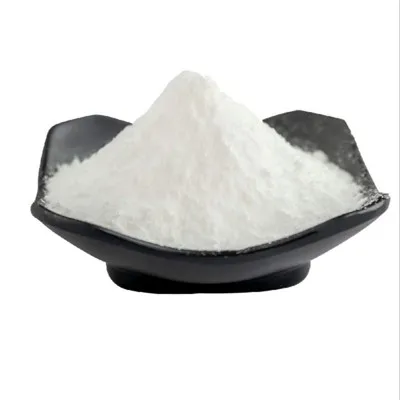
Let’s first understand what Citric Acid Anhydrous is. It’s a pure, water – free form of citric acid. You might know citric acid as that natural acid found in citrus fruits like lemons and limes. But our Citric Acid Anhydrous is produced through large – scale industrial fermentation. It’s super useful in many industries, from food and beverage to cosmetics and even cleaning products.
Now, onto seafood. Seafood, as we all know, is quite perishable. It starts to spoil quickly after being caught due to the growth of bacteria and the oxidation of fats and pigments. This spoilage not only affects the taste and smell of the seafood but also its nutritional value and safety.
One of the key ways Citric Acid Anhydrous helps maintain seafood freshness is by adjusting the pH level. Seafood, especially freshly caught fish and shellfish, has a certain pH range that’s suitable for the growth of spoilage bacteria. These bacteria thrive in a relatively neutral to slightly alkaline environment. When we add Citric Acid Anhydrous to the storage or processing water of seafood, it lowers the pH, making it more acidic.
Most spoilage bacteria don’t like acidic conditions. They find it hard to grow and multiply when the environment becomes acidic. For example, psychrotrophic bacteria, which can grow in cold temperatures and are common in seafood spoilage, have reduced growth rates as the pH drops. So, by adding our Citric Acid Anhydrous, we’re creating a less hospitable environment for these pesky bacteria, thus extending the shelf – life of the seafood.
Another important aspect is its antioxidant properties. Seafood contains a significant amount of unsaturated fatty acids. These fatty acids are great for our health as they’re rich in omega – 3 fatty acids, but they’re also very prone to oxidation. When oxidation occurs, it leads to the formation of off – flavors, odors, and the degradation of nutrients.
Citric Acid Anhydrous can act as an antioxidant synergist. It works together with other antioxidants like tocopherols (vitamin E) to enhance their effectiveness. It chelates metal ions, such as iron and copper, which are catalysts for the oxidation process. These metal ions can speed up the breakdown of the unsaturated fatty acids in seafood. By binding to these metal ions, Citric Acid Anhydrous reduces their ability to catalyze oxidation reactions. So, not only does it help keep the seafood smelling and tasting fresh, but it also preserves those valuable omega – 3 fatty acids.
In addition to its effects at the chemical level, Citric Acid Anhydrous also plays a role in texture preservation. When seafood is exposed to spoilage processes, its texture can change. It might become mushy or lose its firmness. By maintaining a proper pH and reducing the activity of enzymes that can break down proteins in the seafood, Citric Acid Anhydrous helps keep the texture intact. This is especially important for high – quality seafood products that consumers expect to have a firm and succulent texture.
I’d like to share some real – world examples of how our Citric Acid Anhydrous has made a difference in the seafood industry. There’s a medium – sized seafood processing plant that was struggling with high spoilage rates. They were losing a significant amount of their catch due to rapid spoilage during storage and transportation. After implementing a treatment with our Citric Acid Anhydrous in their processing water, they noticed a substantial reduction in spoilage. The freshness of their products improved, and they were able to extend the shelf – life of their seafood by several days. This not only saved them money but also improved their reputation in the market.
Now, let’s talk about the application methods. There are different ways to use Citric Acid Anhydrous for seafood. One common method is to create a solution of Citric Acid Anhydrous in water and use it as a dip or soak for the freshly caught seafood. The concentration of the solution can vary depending on the type of seafood and the storage conditions. Usually, a concentration of around 0.5% – 2% is effective.
Another way is to add it during the processing stage. For example, in the production of canned seafood or frozen seafood products, Citric Acid Anhydrous can be added to the brine or the marinade. This helps maintain the freshness during the processing and subsequent storage.
However, it’s important to note that using Citric Acid Anhydrous isn’t a magic bullet. It should be part of a comprehensive approach to seafood freshness management. Good handling practices, proper storage temperatures, and quick processing are also crucial.
So, if you’re in the seafood industry, whether you’re a fishing boat operator, a seafood processor, or a distributor, our Citric Acid Anhydrous can be a great addition to your freshness – preservation toolkit. It’s a cost – effective, safe, and scientifically proven way to keep your seafood tasting and looking its best.
If you’re interested in learning more about how our Citric Acid Anhydrous can benefit your seafood business, or you’d like to discuss potential purchase options and pricing, don’t hesitate to reach out. I’m here to answer any questions you might have and help you find the best solution for your specific needs.
Sucralose References:
- "Food Chemistry" by H. – D. Belitz, W. Grosch, and P. Schieberle
- "Seafood Science and Technology" by John J. Kitts and Kelly A. Kerr
Fudijia (Tianjin) Supply Chain Co., Ltd.
With abundant experience, we re one of the most professional citric acid anhydrous manufacturers and suppliers in China. We warmly welcome you to wholesale bulk high quality citric acid anhydrous made in China here from our factory. For more information, contact us now.
Address: 301-2-1C,Jin Bin Jie Zuo,No.98, Huanghai Road,TEDA, Tianjin, China
E-mail: foodchem@hjlfoods.com
WebSite: https://www.ifoodchem.com/
