Hey everyone, if you’re reading this, chances are you either run a machine shop, work with horizontal milling machines on the regular, or are thinking about adding one to your lineup. I’ve been supplying horizontal milling machines for over a decade now, and let me tell you—even the most seasoned machinists can slip up on safety sometimes. That’s why I’m not just here to sell you a machine; I’m here to make sure you use it without ending up with a bruise, a ruined part, or even worse. Let’s break down the real, actionable safety stuff you actually need to remember, not the generic crap you see in a textbook. Horizontal Milling Machine
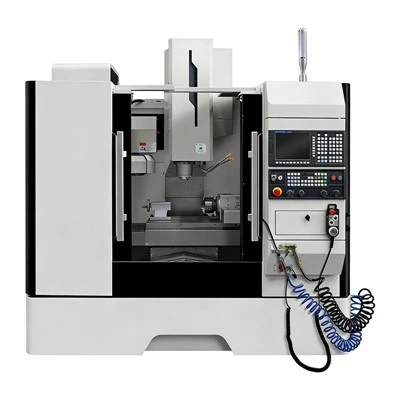
First off, let’s talk PPE—no, those safety glasses aren’t optional. I see so many guys skipping them because “I’ve been doing this 20 years, nothing’s ever happened.” Newsflash: one stray chip from a horizontal mill can travel faster than a baseball and take out an eye in a second. And not just any glasses—get the ones with side shields, not the cheap drugstore kind. Then there’s hearing protection. Horizontal mills are loud—like, 90 decibels loud, which is enough to cause permanent hearing damage if you’re around them every day. Earplugs are fine, but earmuffs are way more effective, especially if you run the mill for hours on end. Don’t forget closed-toe shoes either—steel-toe if you can swing it. I’ve seen a 50lb vise slip off a table and crush a guy’s toe, and he was wearing sandals. Dumb, but totally avoidable. Also, skip the loose clothes, jewelry, and long hair tied back with a bandana that can come undone. I’ve had a customer’s employee let his hair hang loose, and it caught on the rotating arbor of a horizontal mill. Scary stuff—he only got a scalp laceration, but it could’ve been way worse. If you have long hair, use a proper hairnet, not just a rubber band.
Next up, pre-operation checks. This is where so many accidents start because people skip the small stuff. Before you even turn the key on the mill, do a walkaround. Check the power cord (if it’s a manual model) for frays, make sure all the guards are in place and not bent or broken. Speaking of guards—horizontal mills have those arbor guards that cover the rotating cutter, right? Never remove them, even if you think you can “see better” without them. Those guards exist for a reason: if a chip flies or the cutter grabs a part, the guard stops it from hitting you. Then, check the workholding. Most people use a vise or a fixture, but make sure it’s tightened all the way down to the table—no wiggling. If the part is loose, it’ll fly off at 1000 RPM, and that’s a projectile you don’t want anywhere near you. Also, check the cutter itself. Inspect it for dull edges, missing teeth, or cracks. A dull cutter makes you push way too hard, which can cause the part to shift or the cutter to break. And if there’s a crack, that cutter can shatter mid-cut, sending metal shards everywhere. I always tell my customers to replace a cutter if it’s even slightly damaged—don’t try to “get one more job out of it.” It’s not worth the risk.
Now, when you’re actually running the mill. Let’s start with setup. Never adjust the speed or feed rate while the cutter is rotating. That’s a surefire way to slip up and get your hand too close, or have the feed lever yank on you. Wait until the cutter comes to a complete stop, then make any adjustments. Also, keep your hands away from the cutting area at all times. I know it’s tempting to nudge a part with your hand to get it lined up, but use a pry bar or a piece of wood. Even a small slip can have bad consequences. Another big one: don’t leave the mill unattended while it’s running. I once had a customer walk away to grab a coffee, and the fixture came loose, the part flew into the wall, and he ended up with a huge dent in his wall and a broken part. If you have to step away, even for a minute, shut the mill off and wait for the cutter to stop spinning. Also, never try to clear chips with your hand while the mill is on. Use a brass brush or a chip hook—brass is softer than steel, so it won’t damage the cutter, and it keeps your hand far away from the spinning parts. And for the love of all things good, don’t use compressed air to blow chips off the mill. That’s how chips go flying into your eyes or someone else’s, or you inhale metal dust which is terrible for your lungs.
Wait, let’s talk about workholding specifically because that’s such a common mistake. A lot of new machinists use just the vise to hold the part, but if it’s a big, heavy part, you need to add clamps too. The vise alone can’t hold it tight enough, and when the cutter engages, it’ll pull the part right out. Also, make sure the clamps aren’t positioned so the cutter hits them. I’ve seen a customer’s cutter snag a clamp, spin it around, and the clamp hit him in the shoulder—left a bruise that lasted a month. It’s basic: plan your workholding so every part is securely fastened, and there’s no chance of the cutter making contact with anything other than the part.
Then there’s post-operation stuff that’s just as important. When you’re done with the job, shut the mill off, wait for the cutter to stop completely, and then remove the part. Don’t reach in while it’s still spinning, even if you think the cutter’s not in the way. Then, clean the mill table and the area around it. Chips left on the table can make the next part sit unevenly, which can cause the workholding to come loose, leading to an accident later. Also, store your tools and cutters properly—don’t leave a wrench sitting on the mill table, because it can get knocked onto the floor and someone can trip over it, or fall into the mill when someone turns it on later.
Now, let’s get real about common myths I hear all the time. Myth #1: “Horizontal mills are safer than vertical mills.” No way—they have longer, faster rotating cutters that can grab parts easier, and the arbor is exposed more, so there’s more risk of contact. Myth #2: “I can wear gloves because they keep my hands warm.” Wrong! Gloves can get caught on the rotating cutter in a split second, and they’ll yank your hand into the mill before you can react. I see this all the time—guys wearing gloves because it’s cold in the shop, and they end up with a hand injury. Ditch the gloves, even if it’s chilly. Myth #3: “As long as I’m paying attention, I don’t need safety guards.” Yeah, but attention spans fade, right? You can be focused 100% for an hour, but after 4 hours of running the same mill, you’re zoning out a little. The guards are there to protect you when your mind wanders.
Also, training isn’t optional. If you’re a new machinist, don’t just watch a buddy use the mill once and go at it. Take actual training from someone who knows what they’re doing, or if you buy a horizontal milling machine from me (shameless plug, but honest), I provide basic on-site training so your whole team knows the safety rules. I’ve had customers bring in guys who never touched a horizontal mill before, and they try to figure it out on their own—big mistake. That’s how accidents happen. And even experienced machinists should do a refresh every few months; safety rules aren’t something you “learn once and forget forever.”
Wait, what about emergency stuff? Make sure your shop has a big, clearly labeled emergency stop button right next to the mill. Test it once a week to make sure it works—don’t wait until you need it to find out it’s broken. Also, have a first aid kit nearby, and make sure at least one person in the shop is trained in basic first aid, just in case something does go wrong. Accidents are rare, but they happen, so you need to be prepared.
I say all this because I care—this isn’t just about selling horizontal milling machines. I’ve been in this game long enough to know that a good, safe operation is a successful operation. Accidents not only hurt people, they shut down work, cost money, and stress everyone out. If you follow these safety steps, you’ll keep your team safe, your parts will come out better, and you’ll have less downtime.

If you’re in the market for a horizontal milling machine, or you want to upgrade your current setup, hit me up to talk. I don’t just sell machines— I give you the knowledge to use them safely and effectively.
Vertical CNC Milling Machine References
- Occupational Safety and Health Administration (OSHA). 29 CFR 1910.212: General Requirements for All Machines, 2023.
- National Institute for Occupational Safety and Health (NIOSH). Safety Guidelines for Milling Machine Operations, 2022.
- American Machinist’s Association. Best Practices for Horizontal Milling Machine Safety, 2021.
Shandong TaoFong CNC Machine Tool Co., Ltd.
Shandong TaoFong CNC Machine Tool Co., Ltd. is one of the most professional horizontal milling machine manufacturers and suppliers in China, featured by quality products and good price. Please rest assured to buy durable horizontal milling machine for sale here from our factory. Customized orders are welcome.
Address: No.3189, East of Longquan Road and North of Kangzhuang Road, South sha he, Tengzhou City, Zaozhuang City, Shandong Province
E-mail: tony@tafocnc.com
WebSite: https://www.tafocnc.com/
