Hey there, if you’ve ever stopped to stare at a bar chair at your local pub, coffee shop, or even a fancy rooftop lounge, you’ve probably thought: “Wait, why does this one feel perfect, but that adjacent one makes my knees hit the bar mid-sip?” As a bar chair supplier, I get this question all the time, and it’s not just a random guess—there’s actually a super standard (and surprisingly practical) height that most spaces go for. Let’s break this down like we’re chatting over a post-work beer, no stuffy jargon, promise. Bar Chair

First off, let’s get the basic question out of the way: what’s the actual standard bar chair height? For 99% of commercial and residential bar setups, we’re talking 28 to 30 inches (that’s ~71 to 76 cm) from the floor to the top of the seat. Wait, I know what some of you are thinking—“Aren’t there different heights for different bars?” Yep, that’s where it gets fun, because this number ties directly to the height of the bar counter it’s meant for, and that’s where most people slip up when buying chairs. Let’s do the quick math here: standard bar counters are usually 40 to 42 inches high (102 to 107 cm). So when you take that counter height and subtract the 28-30 inch chair seat, you get that perfect 10 to 12 inch gap between the chair seat and the bar edge. That’s the sweet spot—enough room to tuck your legs under the bar comfortably, not so much that you’re stretching like you’re reaching for a top shelf tequila, and not so little that your knees are jammed up against the wood.
But wait, why is that the standard? I can’t speak for all of us in the industry, but I’ve been supplying bar chairs for 8 years now, and this height just works for most spaces. Think about the average adult—most people fall between 5’4” and 6’ tall, right? That 10-inch leg clearance lets even the tallest folks cross their legs without banging their shins, and shorter people don’t have to hunch over their drinks like they’re at a crowded festival. It’s not arbitrary, either—you go into any neighborhood bar, chain restaurant, or even a friend’s home with a standard kitchen bar, and that’s the chair height you’ll find. There’s a reason bar stools in movies feel natural to sit on, and that’s exactly the math we suppliers use as a baseline.
Now, let’s talk about the exceptions, because I know you’re already curious. Not every bar is the same, and that’s where some people get confused. For example, if you’ve ever been to a super casual “high-top” table at a brewery or food truck park, those often use counter height chairs. Counter height chairs are 23 to 27 inches (58 to 69 cm) and pair with counters that are 36 to 39 inches (91 to 99 cm) high. That’s perfect for those standing-height high-tops where you might shift between sitting and standing, or for a home kitchen island that’s used for casual breakfasts instead of fancy cocktail hours. I supplied a brewery in Denver last year that went all counter height because their space has a mix of tall tables and shorter side nooks—they wanted consistency so guests could move around easily without tripping over leg gaps.
Then there’s the opposite end: extra-tall bar chairs, sometimes called “spectator height” chairs, which are 31 to 34 inches (79 to 86 cm). These are for super elevated bars, like rooftop lounges or stadium suites, where the view is the whole point. The counters there tend to be 43 to 46 inches (109 to 117 cm) high, so that extra 4 inches on the chair makes sense. I once sold a bunch of these for a soccer stadium suite renovation—guests loved them because they could lean on the bar and still see over the heads of people standing nearby, no straining. But here’s the thing: you don’t want to use these for a regular neighborhood bar. We had a small café in Austin try that a couple years back, and within 6 months they were ordering 28-inch chairs to replace them—they kept getting complaints that customers were too high, their feet were dangling, and it felt unsteady. Moral of the story: always match the chair height to your bar’s height, not the other way around.
Wait, another big part of this standard that a lot of first-time buyers miss: backrests and footrests. Just because the seat is 28 inches doesn’t mean a chair is “standard.” A good standard bar chair will have a footrest positioned roughly 10 to 12 inches above the seat, right at that level where your feet naturally rest when you’re sitting. That’s non-negotiable for comfort, especially if people are hanging out for an hour or more. I’ve seen cheap knockoff chairs that skip the footrest, and they’re a nightmare for long bar runs—guests end up swinging their feet or dangling them, which makes the whole setup feel wobbly. Also, backrest height: standard is usually 12 to 18 inches above the seat, enough to support your lower back without being so high that it bumps into the bar counter. That’s the kind of detail we focus on when we’re designing chairs, not just slapping a seat and four legs together.
Now, let’s talk about residential vs. commercial, because that’s another point where standards shift a little. A lot of homeowners buying bar chairs for their kitchen bars ask me, “Do I need the commercial standard?” The short answer: no, but it’s a safe bet. Home bars are often a little shorter—some people build their kitchen islands 40 inches instead of 42, so a 27 or 28 inch chair works. But if you’re hosting regular cocktail parties or have family over for game nights, going with the 28-30 inch commercial standard means you won’t have to replace chairs in a year because someone grew a few inches or you reconfigured the bar. And for commercial spaces? The standard is non-negotiable for a reason—health inspectors don’t care about chair height, but your customers will. If your chairs are too short, people leave their drinks on the bar too long, and if they’re too tall, they don’t come back. I had a client in Miami who opened a tiki bar with custom 29 inch chairs, and they told me in their first month, Yelp reviews were full of “perfect seat height” mentions—free marketing, honestly, from getting the basics right.
Wait, what about adjustable bar chairs? Those are super popular these days, right? I sell a ton of them for home offices, shared workspaces, and even some small bars that want flexibility. But even adjustable ones have a standard range—most go from 23 to 32 inches, so they can fit counter height up to spectator height. But here’s my tip for anyone buying adjustable chairs: don’t just pick the cheapest one. Check that the adjustment is smooth (no clunky levers that get stuck) and that the height range covers what you need. A lot of budget adjustable chairs max out at 30 inches, so they won’t work for extra-tall bars. I had a customer in Seattle learn that the hard way—they bought a set of adjustable chairs for their rooftop bar, and when the sun came out and they added the extra high cocktail stations, their chairs were too short. Oops.
Let me also clear up a common myth I hear all the time: “Standard bar chair height is 36 inches.” No, that’s the bar counter height. People mix those two up all the time, especially when they’re measuring for their first setup. That’s the biggest mistake new bar owners or renovators make—they buy 36 inch chairs, and they’re way too tall. Imagine sitting in a chair that puts your chest level with the bar edge—your arms can’t reach your drink without hunching, and your feet are 6 inches above the ground. It’s brutal. I always tell first-time buyers: measure your bar first, then subtract 12 inches. If your bar is 42 inches, 42 minus 12 is 30—perfect. If it’s 36, 36 minus 12 is 24, which is counter height. It’s that simple, no fancy tools needed.
As a supplier, I also see how trends affect these standards. A few years ago, low-slung bar chairs were all the rage for industrial-style bars, but those were usually paired with shorter counters, so they still fit the adjusted standard. Right now, curved bar chairs and those with built-in USB chargers are big, and we make sure all those designs follow the same height guidelines because we know it’s what customers expect. We don’t stray from the standard height because it’s boring—we do it because it’s what keeps people comfortable, and that’s what makes them choose your spot over the one down the street.
Wait, let’s talk about when standard doesn’t work, because that’s important too. Some bars are niche, and they need custom heights. I worked with a jazz club in New York a couple years back that had a mezzanine bar built for solo performers—they needed chairs that were a little taller so the performer could stand up and play without blocking the view of the patrons below. We made them 32 inch chairs, paired with a 44 inch bar, and they loved it. Another client was a wine bar with super low counters (they wanted that cozy, intimate feel), so we made 26 inch chairs for them. Custom isn’t for everyone, but the standard is always a great starting point if you’re not sure what you need.
If you’re reading this and you’re about to set up a bar, whether it’s for your home or a commercial space, here’s my quick checklist to make sure you get it right: 1) Measure your bar’s height from the floor to the top edge. 2) Subtract 10 to 12 inches to get your ideal chair seat height. 3) If it’s between 23 and 27 inches, go counter height; 28 to 30 is standard; 31 to 34 is extra-tall. 4) Don’t forget to check for a footrest—your feet will thank you.
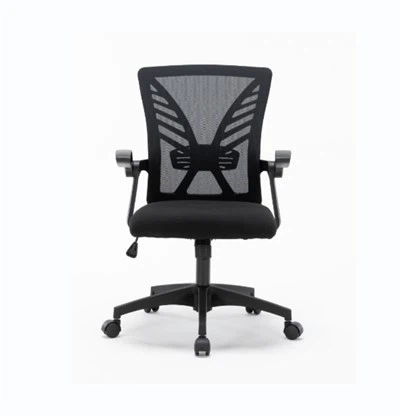
At the end of the day, the standard bar chair height isn’t some industry secret or random number. It’s a balance of comfort, functionality, and what works for the average person. I’ve been in this business long enough to see a lot of fads come and go, but good chair height is always in style. If you’re looking for bar chairs that follow that standard (or want to chat about custom sizes for your space), I’m here to help. No pushy sales talk, just straight answers from someone who’s spent years perfecting this stuff. Get in touch to talk through your project, I’d love to hear from you.
Gaming Chair References:
- National Kitchen & Bath Association. (2022). Kitchen and Bathroom Design Guidelines.
- American National Standards Institute (ANSI). (2021). Furniture Safety Standards for Seating.
- Commercial Bar Association. (2023). Bar and Seating Height Best Practices for Hospitality Spaces.
- Ergonomics Society. (2022). Human Factors Guidelines for Restaurant and Bar Seating Design.
Zhejiang Zhenxing Furniture Technology Co., Ltd.
Zhejiang Zhenxing Furniture Technology Co., Ltd. is known as one of the most professional bar chair manufacturers and suppliers in China. Our factory offers high quality bar chair made in China with competitive price. Welcome to contact us for wholesale service.
Address: 1905#, Building 1, Financial Center Building, No. 61th South Of Fuyu Road, Lingfeng Street, Dipu town, Anji Country, Zhejiang, China
E-mail: andrew@zhenxingfurniture.com
WebSite: https://www.zxtopfurniture.com/
