When I started working as a control valve supplier, I had no idea how much these tiny, unassuming parts make or break a refrigeration system. Everyone talks about compressors and condensers like they’re the rockstars, but control valves? They’re the unsung heroes keeping the whole show running smoothly, and if you get even one feature wrong, you’re looking at wasted energy, ruined product, or way too many after-hours calls. Let me break down what makes these valves so critical for refrigeration—no jargon overload, just real stuff I see day to day out in the field. Control Valve
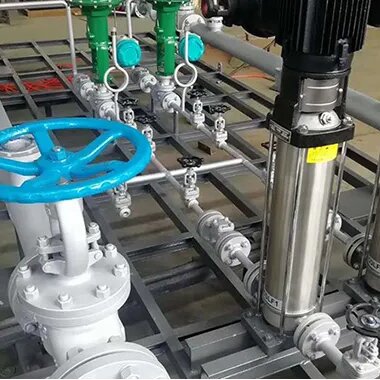
First off, let’s talk about pressure regulation. Refrigeration systems run on specific pressure levels to keep the refrigerant boiling and condensing at the right temperatures. If pressure spikes too high, you’re stressing every part of the system (hello, premature compressor failure) and wasting energy. If it drops too low, your refrigerant won’t cool like it’s supposed to—think a grocery store display case that’s supposed to hold frozen pizza ending up as icy slush. The control valves I supply aren’t just on/off switches; they’re constantly adjusting to keep pressure locked in that sweet spot. Last quarter, I worked with a local warehouse that was blowing out seals on their old system every month because their pressure wasn’t regulated. Swapping in our pressure-modulating control valves cut their maintenance calls by 80% in two months—they were shocked. I don’t sell “one-size-fits-all” valves here, either. For low-capacity systems like a small restaurant walk-in, I use low-flow control valves that don’t overcompensate and cause pressure swings. For big industrial freezers, they get heavy-duty variants that handle consistent, high pressure without wearing out.
Next is flow rate control, and this is where people mess up all the time. Refrigerants move through lines at different speeds depending on how much cooling you need. If the flow is too fast, you get liquid refrigerant slamming into the compressor—called “slugging,” and that can total a compressor in no time. Too slow, and you’re not using the refrigerant’s full cooling potential, so you’re running the system longer than you need to. The control valves I provide adjust flow dynamically based on system load. Like, if a restaurant’s walk-in only has half its usual stock, the valve slows the refrigerant down to match the cooling demand, instead of pumping full flow the whole time. A brewery client told me that after installing our flow-adjusting valves, their energy bill for the cold storage dropped by 15%—that’s real cash they get to keep, not just hype. I make sure to match valve size to the specific line, too. A 2-inch valve on a 1-inch line is just wasted money, and vice versa—you’ll get sluggish flow that doesn’t cool right.
Then there’s temperature control, which is obviously the whole point of refrigeration, right? No one wants their ice cream melting or their dairy going bad. Control valves link to sensors that track air or refrigerant temperature, and they adjust their opening/closing to keep things steady. I’ve seen old systems that use thermostats to just turn the compressor on and off every few minutes—That’s called “short cycling” and it wears out the compressor way faster. Our modulating control valves adjust in tiny increments, so the temperature stays within a 0.5°F range instead of swinging 5 or 6 degrees. That’s the difference between ice cream that’s hard enough to scoop and ice cream that feels like a soft serve from a gas station. Last summer, a bakery called me because their display case was melting cakes mid-rush. Turns out their old valve was so outdated it couldn’t keep up with the heat from the ovens next to it. Swapping in our temperature-sensitive control valves fixed it right away—they didn’t have to throw out $2,000 worth of product, which is a big deal for a small business.
Don’t get me started on defrost cycle management—this is a big one for refrigeration systems that use evaporator coils, which frost up over time. If frost builds up, it blocks air flow through the coil, so the cooling drops off. Defrost cycles melt that frost, but if they’re not timed or controlled right, you’re wasting energy or even overheating the coil. Our control valves adjust the flow of hot refrigerant (used to melt frost) to the coil, so the defrost cycle only runs when it needs to, not on a rigid schedule that might be unnecessary. For a grocery store with multiple display cases, that means each case’s defrost is handled individually, instead of all running at once, which would spike energy use. A grocery chain I work with said that before using our valves, they’d lose 10-15 hours of cooling a month to bad defrost cycles—now that’s down to under 2 hours. That adds up big time for them.
Another feature I can’t skip is compatibility with different refrigerants. Not all refrigerants are the same anymore, right? We’re moving away from old, high-global-warming-potential (GWP) ones like R-22 to cleaner options like R-410A, R-32, and even natural refrigerants like ammonia or CO2. A lot of control valves out there aren’t built for these newer, sometimes harsher refrigerants—they corrode or seal up fast. The valves I supply are rated for all the common refrigerants, old and new, so you don’t have to swap out every valve when you switch refrigerant types. I had a customer last year who was upgrading their industrial freezer from R-22 to ammonia; he thought he’d have to replace every valve, but we just matched our existing valve variants to work with ammonia, saved him thousands. That’s the kind of stuff that makes me different from other suppliers—I don’t just sell parts, I make sure they work with whatever system you have now, and whatever you’re planning for the future.
Wait, and let’s talk about reliability in harsh conditions. A lot of these systems are in places that are freezing cold, super hot, or damp—like walk-ins in grocery stores, outdoor industrial chillers, or warehouse freezers. Cheap valves will seize up or leak when they’re exposed to constant low temps or high humidity. The control valves I provide have tough seals and corrosion-resistant bodies, so they don’t break down when you need them most. I’ve had a customer in Minnesota call me at 2 a.m. in January because their old valve froze shut and they lost all their frozen stock. He tried our valve after that, and three years later, he hasn’t had a single freeze-up. That peace of mind is worth more than any discount, honestly.
Now, here’s the thing I always tell people: control valves aren’t just a commodity. Everyone can sell a valve, but the right control valve for your refrigeration system depends on how big it is, what refrigerant you use, where it’s located, and what your main goals are (lower energy bills? less maintenance? better product storage?). I spend time talking to every customer to figure out exactly what they need, not just push the most expensive valve I have. Like, a small restaurant might not need a heavy-duty industrial valve—they just need something that keeps their walk-in consistent and doesn’t break when the line gets slammed with new inventory. A large food processing plant needs valves that can handle high flow, multiple defrost cycles, and 24/7 operation.
I know a lot of people out there don’t think about control valves until something goes wrong. But when you invest in good control valves, you’re investing in less downtime, lower energy costs, longer equipment life, and not having to throw out $10k worth of frozen food because your system failed. That’s the real value here.

If you’re dealing with a refrigeration system that’s giving you headaches—pressure swings, high energy bills, ruined product, or constant maintenance calls—hit me up. I don’t do generic sales pitches, I’ll sit down (or jump on a quick call) to figure out what your system needs and get you set up with the right control valves. No pressure, no hidden fees, just parts that actually work for your specific setup.
Desuperheater References:
- ASHRAE Handbook: HVAC Systems and Equipment, Chapter 12 (Refrigeration Control)
- Control Valves for Refrigeration Applications, International Society of Automation (ISA) Standard 75.08.01
- Refrigeration System Energy Efficiency: A Practical Guide, U.S. Department of Energy, 2021
- Corrosion Resistance of Valves for Low-Temperature Refrigeration, Journal of Mechanical Engineering, Vol. 65, No. 4, 2022
Hangzhou Meiya Power Generating Equipments Co., Ltd
We’re professional control valve manufacturers and suppliers in China, specialized in providing the best custom service. We warmly welcome you to buy high quality control valve at competitive price from our factory.
Address: Room 1418 ,Metrology Building, Xihu District,Hangzhou
E-mail: hzmysales@chinamy-power.com
WebSite: https://www.hzmy-power.com/
