Grinding wheels are versatile tools commonly associated with shaping, sharpening, and finishing various materials. When it comes to glass, a common question arises: Can I use a grinding wheel on glass? As a seasoned supplier of grinding wheels, I’m here to delve into this topic, exploring the feasibility, techniques, and considerations involved in using a grinding wheel on glass. Grinding Wheels

Understanding the Compatibility
Glass is a unique material with specific properties that must be considered when working with it. It is brittle, prone to cracking, and has a relatively low coefficient of thermal expansion. These characteristics mean that we need to approach glass grinding with caution.
The good news is that it is indeed possible to use a grinding wheel on glass. However, not all grinding wheels are suitable. The key to safely and effectively grinding glass lies in selecting the right type of grinding wheel.
Types of Grinding Wheels for Glass
- Diamond Grinding Wheels: These are the go – to option for glass grinding. Diamond is the hardest known material, and its abrasive properties make it ideal for cutting through glass. Diamond grinding wheels come in different grit sizes. Coarse grits (e.g., 40 – 60 grit) are used for rough shaping and fast material removal. They can quickly take off large amounts of glass, but they may leave a rougher surface finish. Finer grits (e.g., 220 – 600 grit) are used for smoothing and finishing the glass surface, creating a more polished look.
- Silicon Carbide Grinding Wheels: While not as effective as diamond wheels, silicon carbide wheels can also be used on glass. They are more affordable but offer a slower grinding speed. Silicon carbide is a sharp and hard abrasive that can gradually wear down the glass. These wheels are often used for light grinding and finishing tasks on glass.
Safety Precautions
Working with glass and grinding wheels requires strict adherence to safety protocols.
- Eye Protection: Always wear safety goggles to protect your eyes from flying glass shards. Even the smallest piece of glass can cause serious eye injuries.
- Respiratory Protection: Grinding glass produces fine dust particles that can be harmful if inhaled. A dust mask or respirator should be worn to prevent respiratory problems.
- Gloves: Use gloves to protect your hands from sharp edges of the glass and to provide a better grip on the workpiece.
- Work Area: Ensure your work area is well – ventilated and clean. A stable workbench is essential to prevent the glass from moving during the grinding process, which could lead to uneven grinding or breakage.
Grinding Techniques
- Marking and Planning: Before you start grinding, mark the areas on the glass that need to be worked on. This helps you stay focused and ensures you achieve the desired shape.
- Initial Grinding: When using a coarse – grit diamond wheel for rough shaping, apply light pressure. Start with a slow speed to avoid overheating the glass, which can cause it to crack. Move the grinding wheel steadily across the glass surface, following your marked lines.
- Smoothing and Finishing: Once the rough shaping is done, switch to a finer – grit wheel for smoothing and finishing. This involves more meticulous work, gradually reducing the scratches left by the coarse wheel. Use a consistent and light touch to achieve a smooth and even finish.
- Cooling: Glass can crack due to heat buildup during grinding. To prevent this, you can periodically cool the glass by dipping it in water or using a coolant spray. This helps dissipate the heat and keep the glass at a stable temperature.
Troubleshooting
- Cracking: If the glass starts to crack during grinding, stop immediately. Check if the pressure is too high or if the wheel is moving too fast. Also, ensure the glass is properly supported. Sometimes, a pre – existing flaw in the glass can also cause cracking.
- Rough Surface Finish: An uneven or rough surface finish may be due to using a wheel with the wrong grit size or improper grinding technique. Try using a finer – grit wheel and focus on applying even pressure and consistent movement.
Applications of Grinding Glass
Using a grinding wheel on glass has various applications.
- Art and Craft: Glass artists often use grinding wheels to shape and finish glass pieces for sculptures, jewelry, and decorative items. The ability to precisely cut and shape glass allows for the creation of unique and intricate designs.
- Glass Repair: In some cases, grinding wheels can be used to repair chipped or damaged glass edges. By carefully grinding the edge, it can be smoothed out and restored to a more aesthetically pleasing state.
- Custom Glasswork: For industries that require custom – sized glass, such as in the manufacturing of windows or display cases, grinding wheels are used to trim and fit the glass to the desired dimensions.
Benefits of Using the Right Grinding Wheel for Glass
- Precision: The right grinding wheel allows for highly precise cuts and shaping. This is crucial in applications where accurate dimensions are required, such as in the production of scientific glassware or high – end architectural glass.
- Efficiency: A suitable grinding wheel can significantly speed up the glass – working process. Diamond wheels, in particular, can remove material quickly, reducing production time and costs.
- Quality Finish: Using the appropriate grit size can result in a high – quality finish on the glass surface. This is important for applications where aesthetics are a key factor, such as in the creation of glass art or luxury glass products.
As a Supplier’s Perspective
As a grinding wheel supplier, I understand the importance of providing the right products for specific applications. When it comes to glass grinding, we offer a wide range of diamond and silicon carbide grinding wheels. Our experienced team can assist customers in choosing the most suitable wheel based on their specific needs, whether it’s for a small art project or a large – scale industrial application.
We also emphasize the importance of proper usage and maintenance of the grinding wheels. Regularly cleaning the wheels and ensuring they are used within their recommended speed and pressure limits can extend their lifespan and ensure consistent performance.
Contact Us for Your Grinding Wheel Needs
If you’re involved in glass grinding, whether as a hobbyist, an artist, or an industrial manufacturer, we’re here to support you. Our expertise in the field of grinding wheels ensures that you’ll get the best products for your glass – working projects. We can provide detailed advice on wheel selection, grinding techniques, and safety precautions.
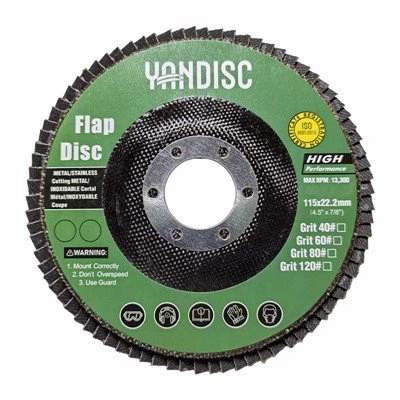
Zirconia Alumina Flap Disc Feel free to reach out to us for more information. We’re eager to engage in discussions about your requirements and help you find the ideal grinding wheels for your glass applications. We believe that through proper product selection and expert guidance, you can achieve excellent results in your glass – grinding endeavors.
References
- "Glass Technology Handbook" by P. Vincenzini
- "Industrial Grinding Wheels: Theory and Practice" by M. S. Shaw
- "Safety Guidelines for Glassworking" by the American Glass Guild
Henan Yandisc Hardware Tools Co., Ltd.
Address: Zinan Road, High-tech Industrial Development Zone, Zhengzhou, Henan, China
E-mail: info@yandisc.com
WebSite: https://www.yandisc.com/
