If you’ve ever stood in a mid-rise office building on a rainy day, watching raindrops streak down a floor-to-ceiling window while still being able to read a spread of blueprints or spot a colleague three rooms over, you’ve experienced the quiet superpower of laminated glass. As a laminated glass supplier, I field this question at least a dozen times a week: What is the optical clarity of laminated glass, and why does it matter more than most people realize? It’s not just a technical spec pulled from a catalog—it’s the difference between a window that feels like a barrier and one that feels like an extension of the space around you. And in a world where building codes, safety standards, and customer expectations collide, that clarity isn’t just nice to have—it’s non-negotiable. Laminated Glass
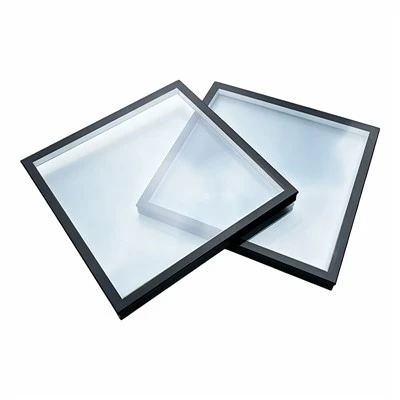
Let’s start with the basics, because there’s a lot of misinformation floating around about laminated glass and how its clarity stacks up against other glass types. Most people know laminated glass is made by sandwiching a thin layer of polyvinyl butyral (PVB) resin between two glass panels, then heating and pressing them to fuse the layers into a single, rigid unit. What they don’t always realize is that every step of that process impacts how light passes through, and that clarity isn’t a one-size-fits-all number.
First, we have to define optical clarity in the context of glass, which is measured by two key metrics: visible light transmittance (VLT) and haze. VLT is the percentage of visible light that passes through the glass, measured at the standard wavelength of 550 nanometers—this is the wavelength our eyes are most sensitive to, so it’s the best gauge of how bright or “see-through” a window will feel. Haze, on the other hand, is the percentage of light that scatters as it passes through the glass, creating a foggy or diffused look. For laminated glass, industry standards for high-clarity units typically sit at 85-92% VLT, with haze levels below 1%. Compare that to standard annealed glass, which clocks in at about 90% VLT and less than 0.5% haze, and tempered glass, which usually hovers around 88-90% VLT and still low haze. Wait—you might think, why all the fuss if these numbers are so close? That’s where the PVB layer comes in, and that’s where most manufacturers (and even some suppliers) cut corners that hurt clarity.
PVB is the unsung hero here. It’s a thermoplastic resin that’s soft enough to absorb impact, hold broken glass together, and reduce noise, but it’s rigid enough to make laminated glass stronger than single panes. But not all PVB is created equal. Cheap, thick, or improperly cured PVB can introduce tiny bubbles, impurities, or uneven thickness that scatter light. I’ve seen units from overseas suppliers that came with visible streaks in the PVB layer, or haze levels that spiked to 3-4% after just six months of exposure to sunlight. That’s not just a minor flaw—over time, that scattered light makes a window look dull, like it’s covered in a thin layer of fog, even if the initial VLT was within spec.
Another factor that gets overlooked is the type of glass used for the outer panels. If you use standard low-grade soda-lime glass, it has inherent imperfections—small air bubbles, tiny surface scratches, and minor variations in thickness—that can reduce overall clarity. The best high-clarity laminated glass starts with ultra-clear low-iron glass, which removes the green tint common in standard glass. That green tint is especially noticeable when you look through thick glass (like 1-inch units for storefronts or windshields) and it distorts color, making blue walls look slightly gray or white fabric look yellow. Ultra-clear low-iron glass cuts that tint by 70% or more, so the colors you see through the window are true to life—no shifted tones, no dulled hues.
Let’s talk about real-world performance, because lab specs only tell part of the story. A lot of laminated glass looks perfect when it leaves the factory, but its clarity degrades over time due to UV exposure, moisture, or poor installation. That’s a big part of why I’ve built my business around long-term clarity, not just initial numbers. I’ve seen clients who bought cheap laminated glass for a residential home’s solar control windows. Within two years, the PVB started to yellow, turning a once-clear window into a pale, yellowed filter that made the home feel dark and cramped. That’s not a failure of the VLT spec—it’s a failure of choosing the right PVB resin and the right lamination process. High-quality PVB has UV stabilizers that block 99% of harmful UV rays, which is critical because UV is the main cause of PVB yellowing. It also prevents moisture from seeping between the glass and PVB layer, which would create foggy, discolored spots at the edges of the panel.
Then there’s the common misconception that thicker laminated glass is less clear. I get this all the time from architects working on high-rise projects. “We need 1.5-inch laminated glass for blast resistance,” they’ll say. “Will that make our floor-to-ceiling windows look cloudy?” The short answer is no—not if it’s made right. Let’s do the math: two layers of ¼-inch ultra-clear low-iron glass, bonded with a 0.03-inch PVB layer, gives a 0.5-inch unit, with VLT around 90% and haze below 0.8%. A 1.5-inch unit would be two layers of ¾-inch glass with a 0.06-inch PVB layer, and if it’s laminated with high-quality, low-impurity PVB, the VLT will still hover around 85%—which is only 5% less than the thin unit, and most people can’t tell the difference visually. The key here is that the PVB layer doesn’t add much thickness, and when it’s properly fused, it doesn’t introduce the light-scattering flaws that make thicker, lower-quality laminated glass look cloudy.
Clarity also ties directly to the functional benefits of laminated glass, which is why it’s not just an aesthetic concern. For commercial offices, high-clarity laminated glass means more natural light, which boosts employee productivity and reduces energy costs by cutting down on artificial lighting needs. Studies from the American Society of Interior Designers (ASID) show that workplaces with access to clear, unobstructed natural light have 15-20% higher productivity and lower rates of eye strain. For automotive windshields, clarity isn’t just about seeing the road—it’s about safety. A windshield with high haze can make road signs, lane lines, and pedestrians look blurred, especially in low light or rain, increasing the risk of accidents. For residential homes, clear laminated glass makes outdoor views feel immersive, not filtered—so you can enjoy a backyard or mountain vista without the distortion of standard glass.
Now, I want to be transparent about the limits of laminated glass clarity, because I don’t want to oversell what it can do. No laminated glass is perfectly 100% clear. Even the highest-quality units have minor, microscopic variations in light transmission that are only measurable with lab equipment. And if you’re looking for a privacy window, laminated glass isn’t the solution here—for privacy, you’d opt for frosted or tinted laminated glass, which intentionally reduces VLT and increases haze. But for applications where clarity is a top priority—skylights, museum exhibit windows, storefronts, residential living rooms—high-clarity laminated glass is unmatched.
A lot of suppliers try to save money by using lower-grade PVB or standard glass, but in my 18 years in this business, I’ve seen that the extra cost of high-clarity laminated glass pays off in the long run. We work with architects, contractors, and homeowners who don’t want to replace their windows every 10 years because they’ve turned yellow or foggy. That’s why every unit we produce goes through a dual inspection: first, a lab test for VLT, haze, and UV resistance before it leaves our facility, and second, a visual check by our quality team to make sure there are no bubbles, streaks, or unevenness that would impact real-world clarity.
If you’re in the market for laminated glass, whether for a commercial build, a home renovation, or a custom project, don’t just ask for “clear glass.” Ask for the VLT and haze numbers, ask about the type of PVB and glass we use, and ask about long-term performance guarantees. At the end of the day, optical clarity isn’t just a technical spec—it’s about how your space feels, how well you can see what matters, and how long that view will stay crisp for years to come.
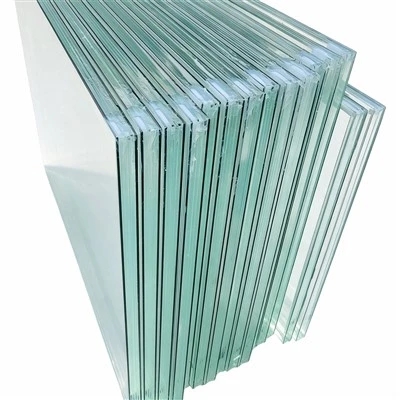
If you’re ready to discuss your project’s specific clarity needs, from residential skylights to commercial storefronts, don’t hesitate to reach out to discuss your requirements and get a customized quote. We can walk you through the different glass and PVB options, compare lab specs to real-world performance, and make sure you get laminated glass that meets both safety standards and your exact clarity expectations.
Flat Tempered Glass References
- ASTM International. Standard Test Method for Light Transmittance and Haze of Plastic Sheeting. ASTM D1003-13.
- National Glass Association. Laminated Glass Design and Performance Guidelines. NGA, 2021.
- American Society of Interior Designers. Natural Light in Commercial Workplaces: Productivity and Wellbeing Outcomes. ASID Research Report, 2022.
- Dupont. Polyvinyl Butyral (PVB) Resin for Laminated Glass: Performance and Durability. Dupont Technical Bulletin, 2020.
Suzhou Dingcheng Tempered Glass Co., Ltd.
As one of the most professional laminated glass manufacturers and suppliers in China, we also support customized service. We warmly welcome you to wholesale high quality laminated glass made in China here from our factory. If you have any enquiry about free sample, please feel free to email us.
Address: No.777 Limin North Road, Lili Town, Wujiang District, Suzhou City, Jiangsu Province
E-mail: Dingchengglass@163.com
WebSite: https://www.dingchengglass.com/
